
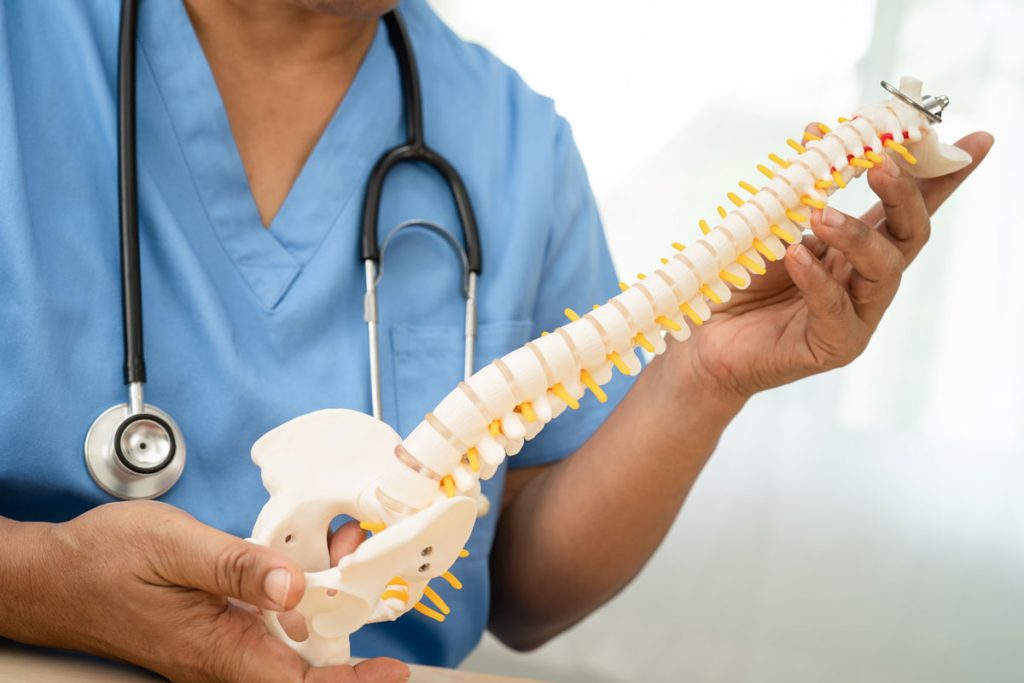
Kyphoplasty Spring Hill FL is a treatment option for patients experiencing persistent back pain caused by certain spinal compression fractures. These fractures can develop gradually as bones weaken with age or occur suddenly following an injury. For individuals living in Spring Hill, Brooksville, and surrounding Hernando County communities, understanding available treatment options can make an important difference in managing pain and maintaining independence. At Elite Pain and Spine Specialists, patients have access to specialized pain management care designed to identify the source of discomfort and explore appropriate treatments.
October is an especially meaningful time to discuss bone health and spinal conditions. As we age, our bones naturally become more vulnerable to changes in strength and density. For some individuals, these changes can lead to compression fractures that make standing, walking, or completing ordinary household activities uncomfortable.
When conservative treatments are not providing sufficient relief, kyphoplasty may offer an alternative worth discussing with a qualified pain management specialist.
What Is Kyphoplasty?
Kyphoplasty is a minimally invasive medical procedure used to treat certain painful vertebral compression fractures. These fractures occur when one of the bones that make up the spine becomes compressed or collapses.
The procedure involves carefully accessing the fractured vertebra with specialized instruments. A small balloon may be inflated inside the affected bone to create space and potentially restore some of its lost height. Medical bone cement is then placed into the vertebra to stabilize the fracture.
The primary purpose of kyphoplasty is to stabilize the damaged bone and help reduce pain associated with the fracture.
Unlike traditional open spinal surgery, kyphoplasty is performed through small openings in the skin. However, it is still a medical procedure that requires careful patient selection and evaluation.
Understanding Spinal Compression Fractures
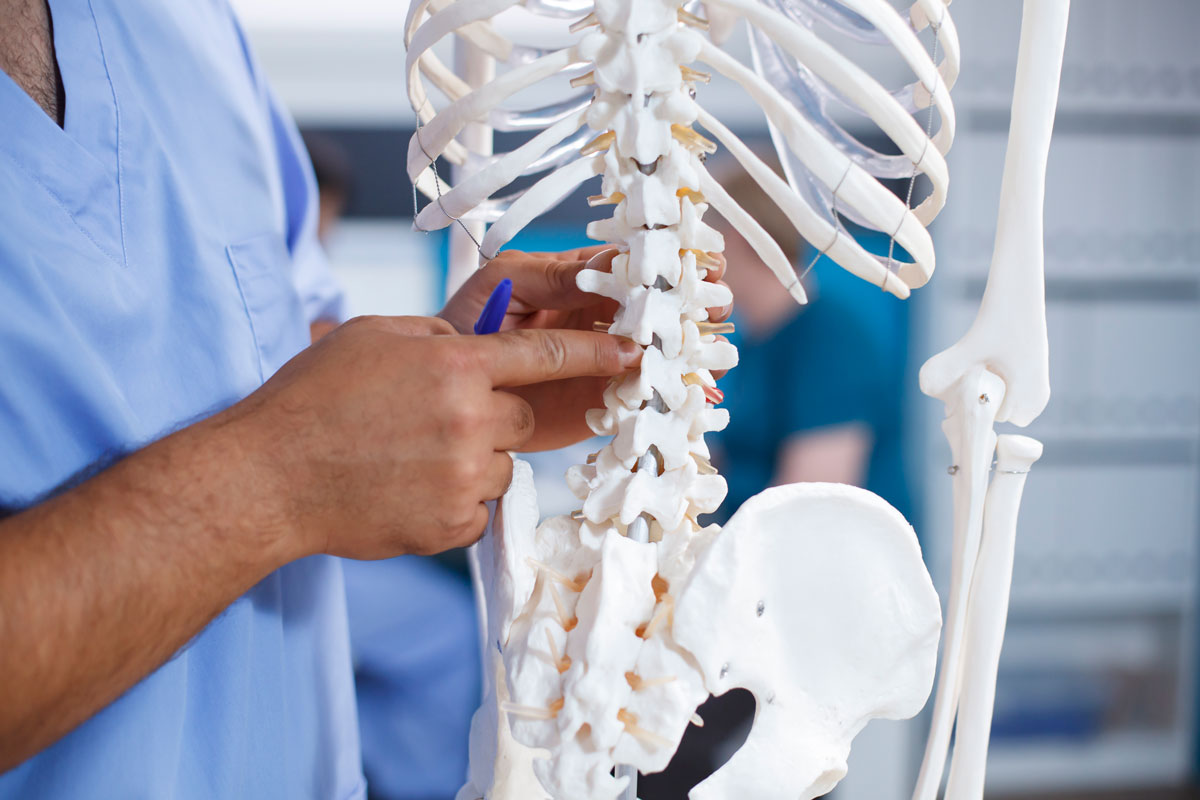
The spine consists of individual bones called vertebrae. These bones work together to support the body, protect the spinal cord, and allow movement.
When a vertebra becomes weakened, it may lose its normal shape under pressure. This can result in a compression fracture.
Osteoporosis is one of the most common underlying causes of these fractures, particularly among older adults. Osteoporosis reduces bone density and increases the likelihood that a bone may fracture during activities that would not normally cause injury.
In some cases, bending forward, lifting an object, or even a minor fall can cause a weakened vertebra to fracture. Other causes include traumatic injuries and certain medical conditions that affect bone strength.
Not every compression fracture requires kyphoplasty. Some heal with conservative care, while others may need additional medical attention depending on their severity and symptoms.
Recognizing the Symptoms of a Spinal Compression Fracture
A spinal compression fracture can cause pain that feels very different from ordinary muscle soreness.
Some patients experience sudden back pain after a fall or everyday movement. Others develop discomfort gradually without remembering a specific injury.
The pain is often concentrated in the middle or lower back and may become more noticeable when standing, walking, bending, or changing positions.
Some individuals also notice a reduction in height or a more rounded posture as multiple fractures develop over time.
Because these symptoms can resemble arthritis, muscle strain, or other spinal conditions, obtaining an accurate diagnosis is important.
Persistent back pain should not automatically be dismissed as a normal part of aging. A medical evaluation can help determine whether a structural problem in the spine is contributing to the discomfort.
When Might Kyphoplasty Be Recommended?
Kyphoplasty is generally considered for selected patients with painful vertebral compression fractures, particularly when symptoms remain significant despite appropriate conservative treatment.
A physician may begin by reviewing medical history, performing a physical examination, and examining imaging studies. X-rays, MRI scans, or CT scans may help determine the location and characteristics of a fracture.
The age of the fracture, its relationship to the patient’s symptoms, and the condition of surrounding spinal structures can influence whether kyphoplasty is appropriate.
Some patients improve with rest, activity modification, bracing, medication, or other nonsurgical approaches. Others continue experiencing severe discomfort that limits their ability to function.
For these individuals, kyphoplasty may be discussed as part of a personalized treatment plan.
Potential Benefits of Kyphoplasty
One reason patients explore kyphoplasty is the possibility of relieving pain associated with a vertebral compression fracture.
By stabilizing the fractured bone, the procedure may reduce painful movement at the fracture site. Some patients experience improvement relatively soon after treatment, although individual results vary.
Reducing fracture-related pain may also make it easier to stand, walk, sleep, and participate in everyday activities.
For older adults in Hernando County, maintaining mobility can be particularly important. The ability to manage household responsibilities, attend appointments, and spend time with family plays a significant role in preserving independence.
Kyphoplasty does not cure osteoporosis or prevent every future fracture. Patients may also need ongoing bone health management to reduce their risk of additional injuries.
Like any procedure, kyphoplasty has potential risks, including infection, bleeding, cement leakage, and complications involving nearby structures. Discussing these risks and the expected benefits with a specialist helps patients make informed decisions.
What to Expect During the Procedure
Patients considering kyphoplasty often have questions about the treatment process and recovery.
The procedure is typically performed using imaging guidance to help the physician position the instruments accurately within the affected vertebra.
Depending on the patient’s medical needs, local anesthesia with sedation or general anesthesia may be used.
Once the affected vertebra has been accessed, the physician creates space within the bone and places specialized bone cement to help stabilize the fracture.
Many patients undergoing kyphoplasty can return home the same day, although the care team determines the appropriate recovery and observation period.
Following treatment, patients receive instructions regarding movement, activity restrictions, and follow-up appointments. Recovery recommendations depend on the individual’s health and the specific fracture being treated.
The Importance of Bone Health During October
October offers an opportunity to focus on protecting the spine and maintaining healthy bones as we age.
Osteoporosis frequently develops without obvious symptoms until a fracture occurs. This makes preventive care and appropriate screening especially important for individuals at increased risk.
Maintaining adequate calcium and vitamin D intake, participating in suitable weight-bearing exercise, and discussing bone density screening with a healthcare provider can all play a role in supporting long-term bone health.
Fall prevention is equally important. Keeping walkways clear, maintaining adequate lighting, wearing appropriate footwear, and addressing balance difficulties can help reduce the likelihood of injuries.
For residents of Spring Hill and Brooksville, staying active throughout the year is part of maintaining a healthy lifestyle. Protecting bone strength can help make those activities safer and more enjoyable.
Specialized Pain Management in Spring Hill and Brooksville
Living with a painful spinal fracture can make routine travel and daily responsibilities difficult. Having access to specialized pain management care close to home is valuable for patients who may already be struggling with mobility.
Elite Pain and Spine Specialists provides interventional pain management services in Spring Hill for patients throughout the surrounding Hernando County area, including Brooksville.
The practice offers kyphoplasty alongside other procedures designed to address different sources of chronic and acute pain.
A thorough evaluation is essential because back pain can result from many conditions. Identifying whether symptoms are related to a compression fracture, arthritis, nerve irritation, or another spinal problem helps determine the most appropriate next steps.
Patients benefit from understanding their diagnosis, discussing available treatment options, and participating in decisions about their care.
Take the Next Step Toward Spinal Pain Relief
Back pain caused by a spinal compression fracture can have a significant impact on everyday life. Activities that once felt simple may become exhausting or uncomfortable, especially when pain continues despite rest and conservative treatment.
For selected patients, kyphoplasty may offer a way to stabilize a painful fracture and potentially improve mobility and comfort.
If you are experiencing persistent back pain or have recently been diagnosed with a vertebral compression fracture, a professional evaluation can help determine which treatments may be appropriate.
For individuals searching for kyphoplasty in Spring Hill FL or spinal fracture treatment near Brooksville, Elite Pain and Spine Specialists offers specialized care focused on helping patients better understand their condition and treatment options.
Contact Elite Pain and Spine Specialists at (352) 515-0025 to schedule a consultation and learn whether kyphoplasty may be right for you.